Preventing falls, and what to do after one
A fall or a near-fall is a warning sign, not bad luck. Here is what to do this week, which Washington classes have evidence behind them, and what pays for grab bars.
6 minute read. Last reviewed 2026-06-30.
Most people treat a fall as a one-off. Someone tripped, they got up, no harm done. The research says something different. A fall, or even a near-fall where your parent grabbed the counter just in time, is one of the clearest warning signs that something has changed. It might be a new medication, a drop in blood pressure when they stand, weakening legs, or eyesight that is not what it was. The good news is that falls are largely preventable. The CDC built a whole program, called STEADI, around one idea: a fall should trigger a doctor's medication review and a balance and gait check, the same way chest pain triggers a heart workup. This guide walks you through what to do, and it is Washington-specific where the money and the classes are.
Common misconceptions
Three things that keep families from acting on a fall.
MisconceptionShe just tripped. There's no need to see anyone about it.
RealityA fall is a warning sign, the same way a small chest pain is. It warrants a doctor's visit that does two specific things: a review of every medication your parent takes, and a balance and gait check. Some of the most common causes of falls are medications that were fine last year and are not fine now, blood pressure that drops on standing, and inner-ear or vision changes. None of these are visible unless someone looks.
MisconceptionBalance just goes as you age. Nothing can really be done about it.
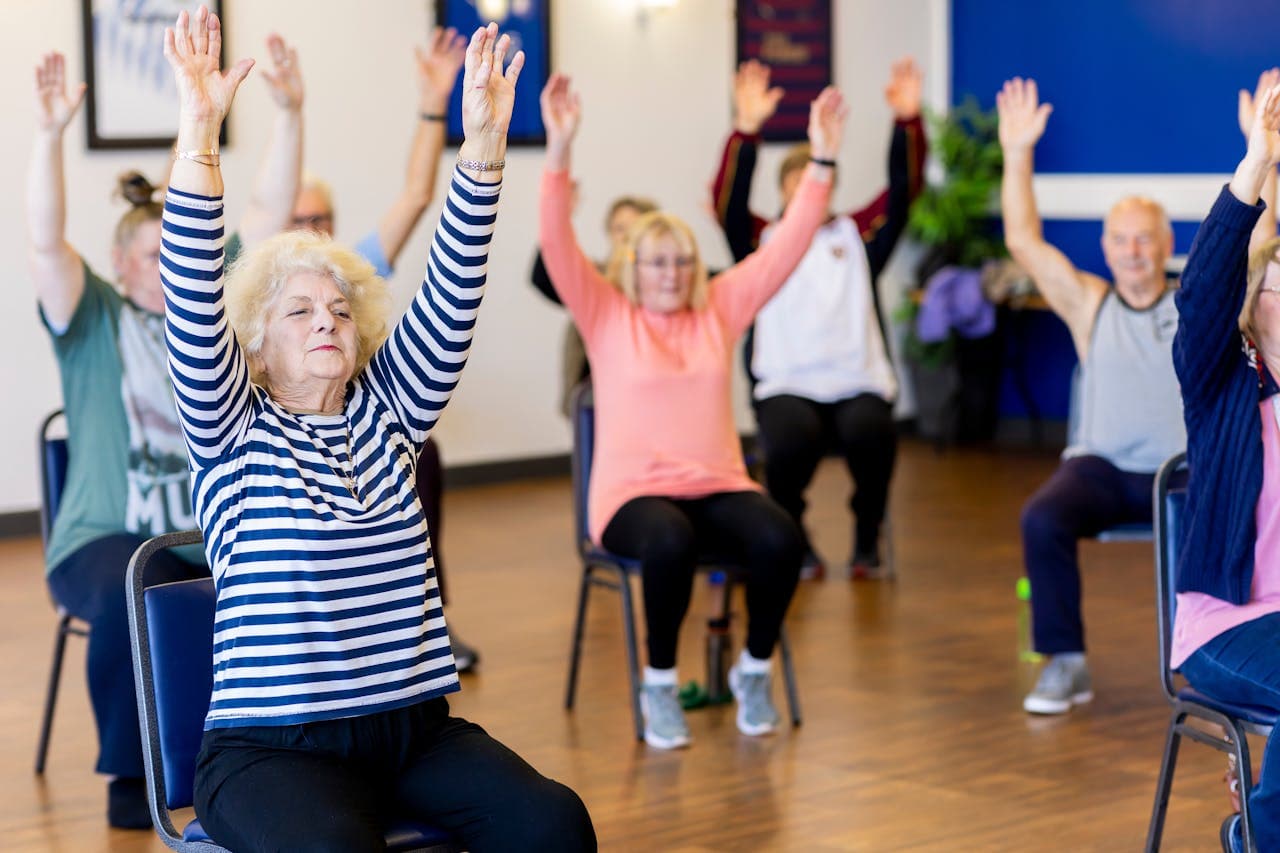
RealityThis is false, and it is worth being clear about. Balance and leg strength respond to training at any age. Washington offers classes built on real evidence, like A Matter of Balance, EnhanceFitness, SAIL, Otago, and Tai Chi. They measurably reduce falls and the fear of falling. Fear of falling matters on its own, because people who are afraid stop moving, and then get weaker, which makes a fall more likely.
MisconceptionMedicare will pay for the grab bars and the bathroom changes.
RealityGenerally it will not. Medicare pays for physical therapy after a fall when it is medically necessary, but it does not pay for home modifications like grab bars, a walk-in shower, or a widened doorway. In Washington, those are covered by Medicaid, through the COPES waiver, for people on Apple Health who qualify. It is a common and expensive thing to get wrong, so it is worth knowing which program to ask.
What to do
Start at the top. The first step is the one most families skip, and it is the one that does the most good.
- Step 1This week, ask the doctor for a medication review and a balance check
Call your parent's primary doctor and say a fall happened, or a near-fall. Ask for two specific things at the visit: a review of every medication, including over-the-counter pills and supplements, and a check of balance and gait. Bring the actual bottles, or a current list. This one step does more than any other to prevent the next fall, and most doctors will not start it unless someone in the family names the fall out loud.
What to say
“My mother had a fall last week. I'd like the doctor to review all of her medications for anything that could affect her balance, and to check her balance and the way she walks.”
What to expect
A medication review that may change or stop a drug, a simple in-office balance and gait check, and often a referral to physical therapy, which Medicare covers when it is medically necessary.
- Step 2Find a free or low-cost falls-prevention class near you
Washington funds evidence-based classes for older adults through every local Area Agency on Aging. A Matter of Balance is an 8-week program that targets the fear of falling. EnhanceFitness, SAIL, Otago, and Tai Chi build strength and balance. Which ones run near you depends on the area, and cost varies, so ask what is offered and what it costs. The statewide front door to enroll is Community Living Connections at 1-855-567-0252.
What to say
“I'm looking for a falls-prevention or balance class for my father. Which evidence-based classes are offered near his zip code, and which ones are free or low-cost?”
What to expect
A list of classes running in the area, with locations, often at a senior center, and the cost for each. Some are free or donation-based and some carry a small fee.
- Step 3Do a home-safety pass, and see what COPES can pay for
Most falls happen at home, and most of the fixes are cheap. The CDC has a free checklist called Check for Safety that walks room by room: loose rugs, poor lighting, no grab bars, clutter on the stairs. Do one pass with it. For the bigger fixes like grab bars, a bathroom modification, or a widened doorway, Washington's COPES waiver can pay if your parent is on Apple Health and qualifies. COPES also covers durable medical equipment. The same Community Living Connections line, 1-855-567-0252, can arrange a home-safety assessment.
What to say
“My parent is on Apple Health. I'd like a home-safety assessment, and I want to know whether COPES can pay for grab bars and a bathroom modification.”
What to expect
An assessment of the home, and a path to funding for modifications and equipment through the waiver if your parent qualifies.
- Step 4Know when a fall is a 911 emergency
Most falls are not emergencies, but some are, and it helps to know the line ahead of time. Call 911 if your parent hit their head, especially if they take a blood thinner, if they cannot get up or cannot put weight on a leg, or if they are newly confused after the fall. A head strike on a blood thinner can bleed slowly with no outward sign, so it is not something to watch and wait on.
What others have learned
Patterns caregivers describe again and again, put into our own words.
- The fall that finally got attention was almost never the first one. Families often realize, looking back, that there were two or three near-falls nobody mentioned to the doctor.
- More than one caregiver has said the medication review was the thing that changed everything. A pill that had been fine for years turned out to be dropping their parent's blood pressure every time they stood up.
- People resist the classes at first because they don't want to admit they need one. The ones who go tend to say the biggest change was getting their confidence back, not just their balance.
- A parent who is afraid of falling will quietly stop doing things, and that fear does its own damage. Moving less leads to weaker legs, which leads to more falls. Breaking that loop early is worth a lot.
- The grab bars almost always get put in after a second fall, not before. The families who did it early wished they had not waited for something to go wrong first.
Synthesized from public caregiver communities. Paraphrased, not quoted.
Local resources for this
The local resources that matter most for preventing falls in your area.
- Your Area Agency on Aging
Your local Area Agency on Aging is the way into Washington's falls-prevention classes and a home-safety assessment. They know which evidence-based classes run near you and what each one costs, and they can connect a parent on Apple Health to COPES for grab bars and other modifications. The statewide line is Community Living Connections at 1-855-567-0252.
- Your local senior center
Many of the classes, like A Matter of Balance, EnhanceFitness, SAIL, and Tai Chi, are held at senior centers. It is worth calling the nearest one directly to ask what is on the schedule. For a lot of older adults the class also becomes a reason to get out of the house and see people, which helps on its own.
When to bring in a professional
When you want the source material or a professional eye.
The CDC's STEADI program has free, plain-language handouts you can print and bring to the doctor, including What YOU Can Do to Prevent Falls and the Check for Safety home checklist. Washington's Department of Health lists the evidence-based classes offered around the state. If your parent has been referred to physical therapy after a fall, that therapist is the right person to build a strength and balance plan. To enroll in a class or set up a home-safety assessment, call Community Living Connections.
- CDC STEADI (Stopping Elderly Accidents, Deaths and Injuries)
Free falls-prevention handouts for patients and families, and the Check for Safety home checklist.
- Washington Department of Health, evidence-based exercise classes for older adults
The statewide list of falls-prevention classes, including A Matter of Balance, EnhanceFitness, SAIL, Otago, and Tai Chi.
- Community Living Connections
The Washington front door to enroll in a class or set up a home-safety assessment. Statewide at 1-855-567-0252.