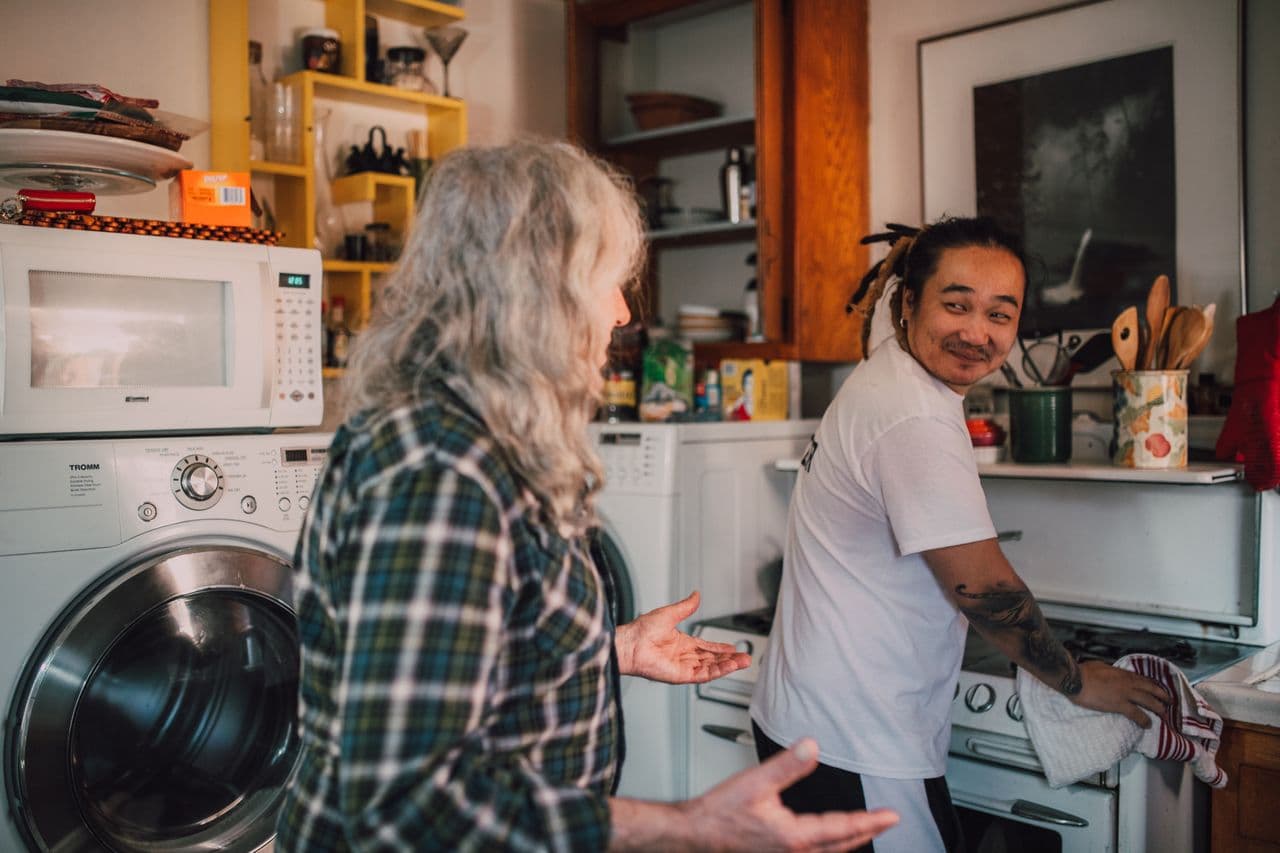
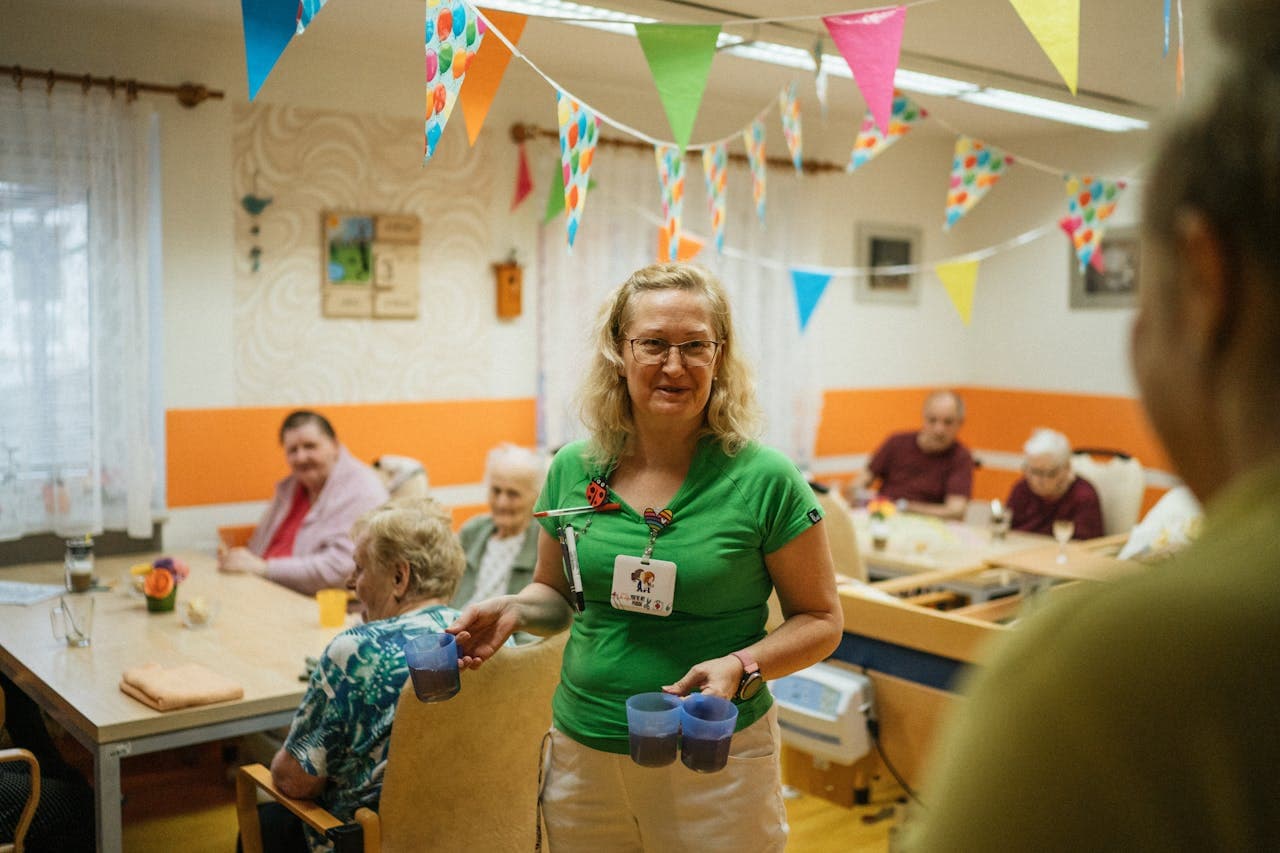
Stay home longer.
For an aging parent, a partner, or yourself.
Most people don't realize how much help is available before assisted living. Washington has 1,037 programs, agencies, and day services that exist so people can stay in their own homes, and 171 benefit programs that help pay for them. Independent. No referral fees.
If you don't know where to start, start here.
Three things almost every Washington family should know about. All free or income-tested. No referrals, no salespeople.
Each of Washington's 13 Area Agencies on Aging (AAA) is the actual front door to elder services in your county. Case management, Community Options Program Entry System (COPES) intake, family caregiver support, transportation. One phone call orients the whole next year.
COPES pays for in-home care, adult day programs, and even residential services at home, when monthly income is below ~$2,901 and the person needs nursing-home level of care. The most important program almost no one mentions.
Wraps doctor visits, day program, transportation, in-home help, and medications into one program for adults 55+ who'd otherwise need a nursing home. Free with Medicaid, sliding scale otherwise. Currently 3 organizations serve WA.
Care that comes to your home
Services and benefits designed to keep someone living in their own home. By far the first place to look before considering a facility.
In-home care
816Care that comes to your home. Home care agencies, hospice, adult day, and PACE. These exist so people don't have to move into a facility. Most are partly or fully covered for people on Medicaid.
Day programs & senior centers
174Drop-in places to spend the day. Classes, fitness, lunch, social activities, transportation. Often free or donation-based. The most underrated part of staying home.
Help & guidance
47Your local Area Agency on Aging, the Long-Term Care Ombudsman, advocacy nonprofits, helplines, and benefits counseling. Almost always free. Start here when you're not sure where to start.
Programs that pay for staying home
All Medicaid-funded. Income limits apply. Apply through your local AAA or DSHS Home & Community Services office.
The Community Options Program Entry System (COPES) is Washington's 1915(c) HCBS waiver for adults who meet nursing facility level of care (NFLOC). HCA and ALTSA jointly administer the waiver. A January 1, 2025 amendment (1) adds 6 years of professional/practical social-service experience equivalent to a Social Service Specialist 2 to the qualifications of evaluators/assessors, (2) updates the Adult Day Care service definition so personal-care hours are no longer manually reduced by 30 minutes per hour of Adult Day Care, instead Adult Day Care is accounted for in the CARE Assessment as informal support, and (3) adds a new provider type, Death Doula, in the Client Support Training & Wellness Education service.
Community First Choice (CFC) is a Washington Apple Health state-plan benefit authorized under Section 1915(k) of the Social Security Act, effective 7/1/2015. CFC enables HCA and its contracted entities to deliver person-centered HCBS LTSS to Medicaid-eligible people who meet the institutional level of care under WAC 388-106-0355. Functional eligibility is based on a CARE assessment under chapters 388-106 and 388-828 WAC; authorization is by DSHS Home and Community Services (HCS) or DDA Community Services (DDCS). CFC services include personal care, skills acquisition training, PERS, caregiver management training, and nurse delegation (per WAC 388-106-0270 through 388-106-0295).
Medicaid Personal Care (MPC) is a state-plan benefit available to clients who are (1) functionally eligible for MPC services under WAC 388-106-0200 through 388-106-0235 and (2) financially eligible for a noninstitutional categorically needy (CN) or alternative benefits plan (ABP) Apple Health program. MPC fills the gap below the institutional level of care threshold required for CFC and HCB waivers. Services may be provided at home, in a department-contracted adult family home (AFH), or in a licensed assisted living facility contracted to provide adult residential care services.
FCSP serves unpaid caregivers of adults in Washington. Local FCSP offices, administered by Area Agencies on Aging, provide individualized support: identifying local resources and services, connecting caregivers to support groups and counseling, training on specific caregiving topics, arranging respite care, and one-on-one problem-solving for caregiving challenges.
Providence ElderPlace is the largest PACE provider in Washington, with seven centers across King, Snohomish, and Spokane counties. PACE wraps medical care, social services, day programs, meals, and transportation into one package for adults 55+ who would otherwise need nursing-home-level care.
ICHS PACE serves Asian/Pacific Islander older adults and other eligible King County residents with comprehensive medical and social services through the Program of All-Inclusive Care for the Elderly. Located at the Ron Chew Healthy Aging and Wellness Center on Beacon Hill in Seattle.
PNW PACE Partners is the third contracted PACE provider in Washington, serving Pierce County from a single center in Tacoma. PACE delivers comprehensive coordinated medical and social services to adults 55+ who qualify for nursing-home level of care but can live safely in the community.
When home isn't possible
Sometimes home isn't safe. Washington has 6,992 licensed residential options. Adult family homes, assisted living, memory care, and nursing homes. Before assuming you'll private-pay, check what the COPES waiver covers, ask your AAA about Medicaid-eligible facilities, and compare CMS quality ratings on nursing homes.
Independent guide. We do not accept referral fees from any provider listed. Verify eligibility with your local DSHS office before acting.